Health note: This article is for general educational purposes and is not medical advice. If you have high blood pressure or any health condition, talk with your doctor or another qualified clinician before changing your diet, exercise, or medication.
High blood pressure is often called a “silent” condition because many people feel completely fine while it quietly strains the heart, blood vessels, kidneys, and brain. The encouraging part is that everyday habits have a real influence on blood pressure. For some people, lifestyle changes are enough to bring readings into a healthier range; for others, they work alongside medication and can help it work better.
This guide walks through the habits that health organizations consistently recommend, explains why they help, and offers practical ways to build them into a busy life without turning everything upside down at once.
Understanding Your Blood Pressure Numbers
A blood pressure reading has two numbers. The top number, systolic pressure, measures the force in your arteries when the heart beats. The bottom number, diastolic pressure, measures the pressure between beats. Both matter.
Guidelines from major heart organizations define categories ranging from normal to elevated to different stages of hypertension. Your clinician will interpret your numbers in the context of your age, other conditions, and overall cardiovascular risk, so it is better to discuss your targets with them than to rely on a single chart found online. What matters most is the trend over time rather than any one reading.
Measure Accurately at Home
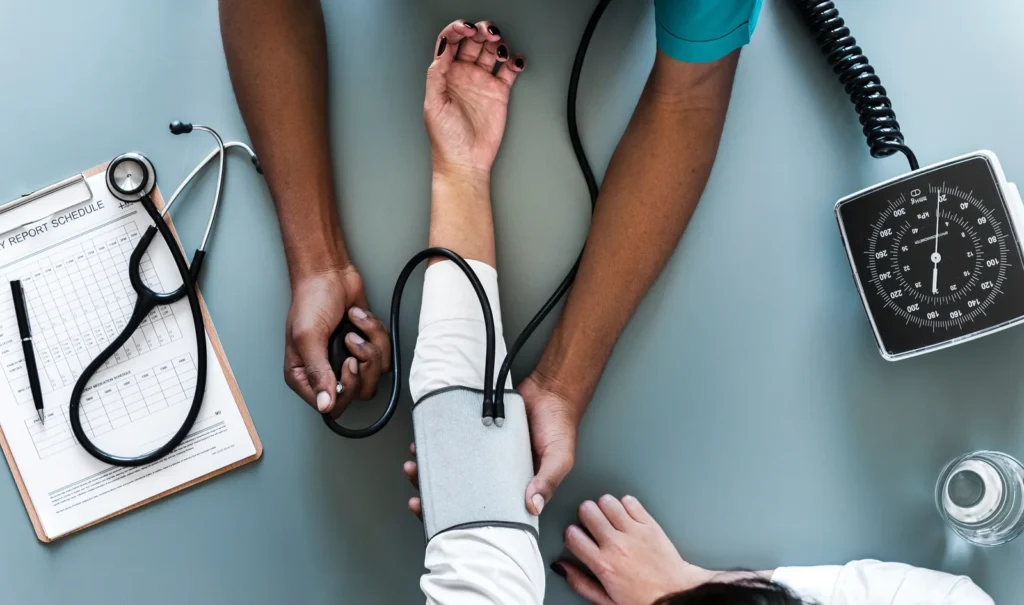
Home monitoring gives you and your doctor a more complete picture than occasional office visits, where stress or rushing can push readings up. To get reliable numbers:
- Use a validated upper-arm cuff that fits your arm properly. A cuff that is too small or too large gives misleading results.
- Sit quietly for about five minutes before measuring, with your back supported, feet flat on the floor, and arm resting at heart level.
- Avoid caffeine, exercise, and smoking for at least 30 minutes beforehand.
- Take two or three readings a minute apart and record them, ideally at the same times each day.
- Bring your log or device to appointments so your clinician can see patterns.
Eat in a Heart-Friendly Way
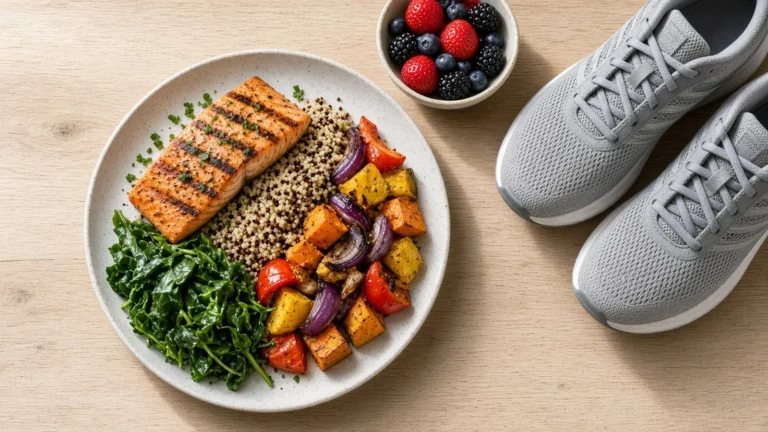
Diet is one of the most powerful levers you have. The eating pattern known as DASH (Dietary Approaches to Stop Hypertension) was developed specifically to study blood pressure and is widely recommended. It emphasizes vegetables, fruits, whole grains, legumes, nuts, low-fat dairy, fish, and poultry, while limiting red and processed meats, sugary drinks, and sweets.
Cut back on sodium
Most sodium in a typical Western diet comes not from the salt shaker but from packaged foods, restaurant meals, breads, cured meats, sauces, and canned soups. Practical steps include:
- Reading nutrition labels and comparing sodium between similar products.
- Cooking more meals at home, where you control the seasoning.
- Using herbs, spices, garlic, citrus, and vinegar to add flavor instead of salt.
- Rinsing canned beans and vegetables, which removes some of the sodium.
- Asking restaurants to prepare dishes with less salt or sauces on the side.
Your taste buds adapt over a few weeks, and foods that once seemed bland start to taste normal.
Get enough potassium from food
Potassium helps balance the effects of sodium. Good food sources include bananas, potatoes, beans, leafy greens, tomatoes, oranges, and yogurt. People with kidney disease or those taking certain medications may need to limit potassium, so check with your doctor before increasing it significantly or using salt substitutes, which often contain potassium chloride.
Move Your Body Regularly
Regular physical activity strengthens the heart so it can pump with less effort, which lowers pressure in the arteries. Public health guidelines for adults generally recommend at least 150 minutes per week of moderate aerobic activity, such as brisk walking, along with muscle-strengthening exercise on two or more days.
Making exercise stick
- Start small: Ten-minute walks after meals add up and are easier to maintain than an ambitious plan you abandon.
- Choose activities you enjoy: Cycling, swimming, dancing, gardening, and sports all count.
- Schedule it: Put workouts on your calendar like appointments.
- Include strength work: Bodyweight exercises, resistance bands, or weights support overall cardiovascular health.
If you have heart disease, very high readings, or other conditions, get medical clearance before starting a vigorous program.
Maintain a Healthy Weight
Excess body weight, especially around the waist, is closely linked with higher blood pressure. Even modest weight loss can make a noticeable difference for people who are overweight. Rather than chasing a crash diet, focus on sustainable changes: smaller portions, more vegetables and fiber, fewer sugary drinks, and regular activity. Steady progress is easier to keep than rapid loss.
Limit Alcohol and Avoid Tobacco
Drinking too much alcohol can raise blood pressure over time and interfere with some medications. If you drink, keeping intake moderate or cutting back further is a sensible step. Smoking and other tobacco use damage blood vessel walls and raise heart attack and stroke risk. Quitting is one of the most beneficial things you can do for your heart, and support programs, counseling, and approved medications can improve your chances of success.
Manage Stress and Prioritize Sleep
Stress causes short-term spikes in blood pressure, and chronic stress can push people toward unhealthy coping habits like overeating, drinking, or skipping exercise. Helpful approaches include:
- Deep breathing, meditation, or relaxation exercises for a few minutes each day.
- Regular time outdoors and with supportive friends or family.
- Setting realistic limits on work and screen time.
Sleep matters too. Consistently short or poor-quality sleep is associated with higher blood pressure. Aim for a regular sleep schedule and a dark, quiet bedroom. Loud snoring, gasping during sleep, or severe daytime sleepiness can be signs of sleep apnea, a condition linked with hypertension that is worth discussing with a doctor.
Watch Caffeine and Certain Medicines
Caffeine can cause a temporary rise in blood pressure in some people. Notice how your readings respond after coffee or energy drinks. Some over-the-counter products, including certain decongestants and pain relievers, can also raise blood pressure. Ask a pharmacist which options are appropriate for you.
Work With Your Healthcare Team
Lifestyle changes are powerful, but they are not a replacement for medical care. If your doctor prescribes medication, take it as directed and do not stop it on your own, even if your readings improve. Improvement may mean the treatment is working. Bring questions about side effects to your clinician; there are often alternatives.
A Simple Four-Week Starter Plan
- Week 1: Start a home blood pressure log and take a 10 to 15 minute walk most days.
- Week 2: Swap one high-sodium processed food for a home-cooked alternative and add a serving of vegetables to lunch and dinner.
- Week 3: Increase walking time, add two short strength sessions, and set a consistent bedtime.
- Week 4: Review your log, identify which change was easiest, and build on it. Share the results with your clinician.
Frequently Asked Questions
How quickly can lifestyle changes lower blood pressure?
Some people see improvements within a few weeks of consistent changes in diet and activity, while others take longer. Results vary, which is why ongoing home monitoring is useful.
Can I stop my medication if my numbers improve?
Do not stop or change medication without talking to your doctor. They may adjust your dose based on your readings, but stopping suddenly can be risky.
Are wrist monitors accurate?
Upper-arm monitors are generally preferred because wrist devices are more sensitive to body position. If you use a wrist monitor, follow the instructions carefully and ask your clinician to check it against an office reading.
When should I seek urgent care?
Very high readings accompanied by symptoms such as chest pain, shortness of breath, severe headache, weakness, numbness, confusion, or vision changes require emergency medical attention right away.
Conclusion
Lowering blood pressure rarely depends on one dramatic change. It comes from a collection of everyday habits: eating more whole foods and less sodium, moving regularly, managing weight, limiting alcohol, avoiding tobacco, sleeping well, and handling stress. Start with one or two changes, track your readings, and build gradually. Combined with regular check-ups and any treatment your clinician recommends, these habits can protect your heart and health for years to come.