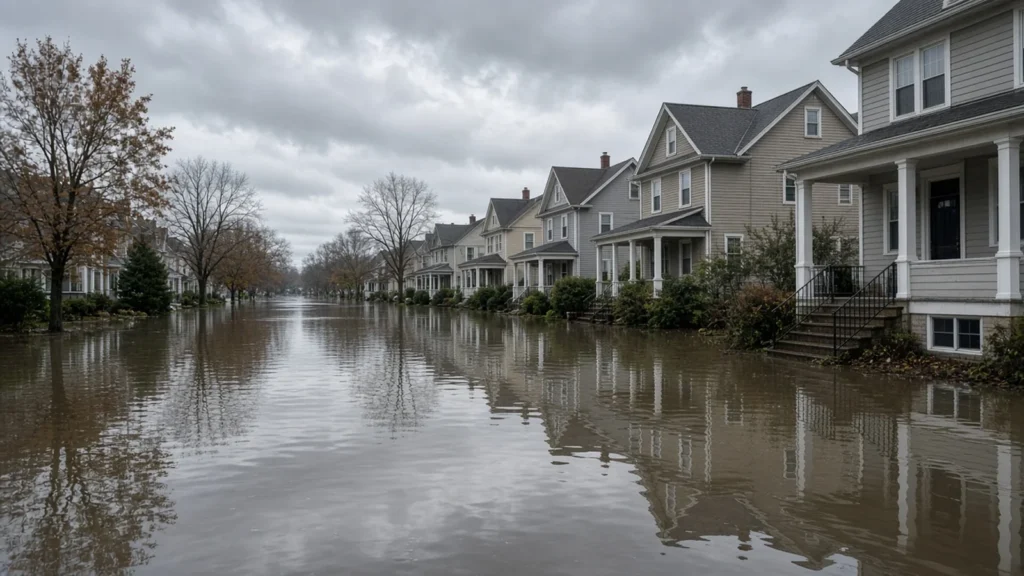
Flooding is one of the most common and costly natural disasters, yet it is also one of the most misunderstood insurance risks. Many homeowners and renters are surprised to learn after a storm that their standard policy does not cover flood damage. Water damage from a burst pipe may be covered, but water rising from outside, from heavy rain, overflowing rivers, storm surge, or overwhelmed drainage, is usually excluded.
This guide explains why standard policies exclude flooding, how flood insurance works, what it covers, and how to decide whether you need it, even if you don’t live in an obvious flood zone.
Why Standard Home Policies Exclude Flooding
Insurers price policies by spreading risk across many customers. Floods are difficult to insure in a standard policy because they tend to affect many properties in the same area at once and the risk is highly concentrated in certain locations. Rather than include it in every policy, most homeowners and renters policies exclude flood damage, and flood coverage is sold separately.
Flood vs. other water damage
- Usually covered by home policies: Sudden and accidental water damage from inside, such as a burst pipe or an overflowing washing machine, subject to policy terms.
- Usually excluded: Flooding from surface water, overflowing bodies of water, storm surge, and mudflow.
- Often excluded unless added: Sewer or drain backup, which typically requires an endorsement.
For a deeper look at standard coverages, see our guide to homeowners insurance coverage types.
How Flood Insurance Works in the United States
In the U.S., flood insurance is available mainly through two sources:
The National Flood Insurance Program (NFIP)
The NFIP is a federal program managed by FEMA. Policies are sold through many insurance companies and agents in participating communities. NFIP policies have maximum coverage limits for buildings and contents, and coverage for contents must generally be purchased separately from building coverage. Pricing has been updated in recent years to reflect individual property risk more closely.
Private flood insurance
Private insurers also offer flood coverage, sometimes with higher limits, additional living expense coverage, or different pricing. Availability varies by location. Some lenders accept private flood policies that meet certain requirements.
What Flood Insurance Typically Covers
Building property
- The structure and foundation.
- Electrical and plumbing systems.
- Furnaces, water heaters, and HVAC equipment.
- Permanently installed carpeting, cabinets, and paneling.
- Major appliances like refrigerators and stoves.
- Debris removal.
Personal contents (if purchased)
- Clothing, furniture, and electronics.
- Portable appliances.
- Washers and dryers.
- Certain valuables, up to limits.
Common limitations
NFIP policies limit coverage in basements and areas below the lowest elevated floor, generally covering only certain essential equipment there and not finished walls or most belongings. NFIP policies typically don’t cover additional living expenses while you’re displaced, though some private policies do. Contents are often paid on an actual cash value basis. Read the policy carefully.
Waiting Periods: Don’t Wait for the Forecast
NFIP policies generally have a waiting period, commonly 30 days, before coverage takes effect, with limited exceptions such as when coverage is required in connection with a new mortgage. Private policies may have different waiting periods. This means you usually can’t buy flood insurance when a storm is approaching and expect immediate coverage.
Do You Need Flood Insurance?
If you’re in a high-risk flood zone
If your home is in a FEMA-designated special flood hazard area and you have a mortgage from a federally regulated or insured lender, flood insurance is generally required.
If you’re in a moderate or low-risk area
Flood insurance is usually optional, but flooding can and does happen outside high-risk zones. Heavy rainfall, inadequate drainage, snowmelt, and changing development patterns can all cause flooding. Premiums in lower-risk areas are often more affordable.
Questions to ask yourself
- Has my neighborhood flooded before, even minor street flooding?
- Is my home near a river, stream, lake, coastline, or low-lying area?
- Does my property have a basement or sit lower than surrounding land?
- Could I afford to repair water damage and replace belongings without help?
You can check flood maps on FEMA’s Flood Map Service Center and ask your local floodplain manager about your area’s history.
Renters Need Flood Coverage Too
Renters can buy contents-only flood coverage to protect their belongings. A landlord’s flood policy, if any, covers the building, not tenants’ property. Our renters insurance guide explains what standard renters coverage includes.
Ways to Reduce Flood Risk and Cost
- Elevate utilities: Raise furnaces, water heaters, and electrical panels above likely flood levels.
- Install flood vents where appropriate to relieve water pressure on walls.
- Improve drainage: Keep gutters clear and grade soil away from the foundation.
- Use a sump pump with battery backup and consider a backflow valve.
- Store valuables and documents high or in waterproof containers.
- Get an elevation certificate, which may help with accurate pricing in some situations.
- Ask about community discounts: Some communities participate in programs that reduce premiums for residents.
After a Flood: Filing a Claim
- Stay safe and follow authorities’ guidance; avoid floodwater, which can be contaminated or electrified.
- Contact your flood insurer promptly.
- Photograph and video all damage before removing items.
- Keep samples of materials like carpet if possible, and list damaged items.
- Begin cleanup and drying to prevent mold, keeping receipts.
- Submit proof of loss forms within the required deadline.
See our full claims guide for more tips.
Flood Risk Is Changing
Flood risk isn’t fixed. New construction can replace absorbent ground with pavement and rooftops, increasing runoff during heavy storms. Older drainage systems in some areas were not designed for intense downpours. Coastal areas face storm surge, and inland areas can see flash flooding from slow-moving storms. Flood maps are updated periodically, but they may not capture every local risk, which is one reason a significant share of flood claims come from properties outside the highest-risk zones. Treat the map as a starting point rather than a guarantee.
Building a Flood Preparedness Plan
Insurance pays for damage after the fact; preparation reduces the damage itself. A simple plan might include:
- Signing up for local emergency alerts.
- Knowing your evacuation routes and where you would stay.
- Keeping copies of insurance policies, identification, and your home inventory in a waterproof bag and in cloud storage.
- Preparing a go-bag with medications, chargers, water, and essentials.
- Knowing how to shut off electricity and gas safely if instructed.
- Moving cars to higher ground when flooding is forecast.
An emergency fund also helps cover deductibles, temporary housing, and other costs that insurance may not pay quickly or at all.
Frequently Asked Questions
Does homeowners insurance cover water from heavy rain?
If rain causes flooding that enters your home from outside, it’s generally considered flood damage and excluded. If wind damages your roof and rain enters through the opening, that may be covered under your home policy.
Does federal disaster assistance replace flood insurance?
Federal disaster assistance is only available after certain declared disasters and is often limited or in the form of loans that must be repaid. It is not a substitute for insurance.
Can I buy flood insurance at any time?
Generally yes, but waiting periods apply, so buying well before flood season is important.
Is flood insurance expensive?
It depends on your property’s risk, elevation, and other factors. Homes in lower-risk areas often pay much less than those in high-risk zones.
Conclusion
Standard homeowners and renters policies usually exclude flood damage, leaving many people unprotected against one of the most common disasters. Flood insurance through the NFIP or private insurers fills that gap. Check your flood risk, understand coverage limits and waiting periods, consider coverage even outside high-risk zones, and take practical steps to reduce damage. Buying before you need it is the only way it can help.