Many renters assume their landlord’s insurance protects their belongings. In most cases it does not. A landlord’s policy typically covers the building itself and the landlord’s own liability, not your laptop, furniture, clothes, or the cost of a hotel if your apartment becomes unlivable. Renters insurance fills that gap, and it is often one of the more affordable types of insurance you can buy.
This guide explains what renters insurance covers, what it usually excludes, how to choose the right amount of coverage, and practical steps to get the most from a policy.
What Renters Insurance Is
Renters insurance, sometimes called tenant insurance or an HO-4 policy in the United States, is a policy designed for people who rent a home, apartment, condo, or room. It generally combines three main protections: personal property coverage, personal liability coverage, and additional living expenses (also called loss of use). Many policies also include medical payments to others.
The Core Coverages Explained
Personal property
This pays to repair or replace your belongings if they are damaged or stolen because of a covered event, sometimes called a covered peril. Common covered perils include fire, smoke, theft, vandalism, windstorm, hail, lightning, certain types of water damage such as a burst pipe, and damage from falling objects. Coverage often follows your belongings outside the home too, for example a laptop stolen from your car or a suitcase stolen while traveling, subject to policy limits.
Personal liability
If someone is injured in your rental, or you accidentally damage someone else’s property, liability coverage can help pay for their costs and your legal defense if you are sued. For example, if you accidentally leave the bathtub running and water damages the apartment below, liability coverage may help.
Additional living expenses (loss of use)
If a covered event makes your home unlivable, this coverage can help pay for the extra costs of living elsewhere, such as a hotel, short-term rental, or higher food costs, up to policy limits.
Medical payments to others
This smaller coverage pays medical bills for guests injured at your home regardless of fault, which can help resolve minor injuries quickly.
What Renters Insurance Usually Doesn’t Cover
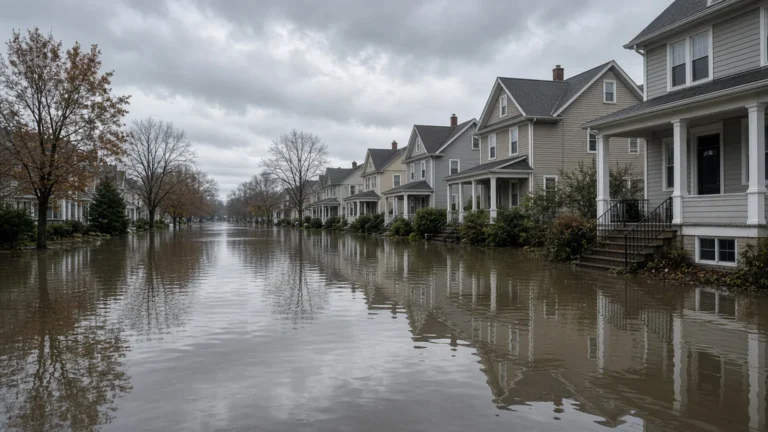
- Floods: Flood damage is typically excluded and requires separate coverage. Read more in our guide to flood insurance.
- Earthquakes: Usually excluded, though an endorsement or separate policy may be available.
- The building structure: That is the landlord’s responsibility.
- Your roommate’s belongings: Unless they are named on your policy, roommates generally need their own coverage.
- Pest damage and wear and tear: Bedbugs, rodents, and gradual deterioration are commonly excluded.
- High-value items above sub-limits: Jewelry, watches, collectibles, and some electronics may have limited coverage unless you add a rider or scheduled personal property endorsement.
- Car damage: Damage to your vehicle is covered by auto insurance, though items stolen from your car may be covered by renters insurance.
Actual Cash Value vs. Replacement Cost
This is one of the most important choices on a renters policy:
- Actual cash value (ACV) pays what your item was worth at the time of loss, after depreciation. A five-year-old couch might be worth very little.
- Replacement cost value (RCV) pays what it costs to buy a similar new item today, usually after you actually replace it.
Replacement cost coverage costs a bit more but can make a large difference after a major loss. For most renters it is worth comparing both options.
How Much Coverage Do You Need?
Take a home inventory
Walk through your home room by room and list your belongings with approximate replacement values. Many people are surprised by the total once they include clothing, kitchen items, electronics, furniture, books, and sports gear. Take photos or a video, save receipts where possible, and store the inventory in the cloud so it survives a fire or theft.
Choose liability limits
Liability limits on renters policies commonly start at modest amounts, with higher limits available for a small additional premium. If you have savings or other assets to protect, choosing a higher limit is usually inexpensive and worthwhile.
Pick a deductible
The deductible is the amount you pay before insurance covers a property claim. A higher deductible lowers your premium but means more out-of-pocket cost when you file a claim. Choose an amount you could pay without hardship.
Why Renters Insurance Is Often Worth It
Consider what it would cost to replace everything you own after a fire, or to pay a lawyer if a guest sued you after a fall. Renters insurance is designed for exactly these low-probability but high-cost events. Many landlords now require tenants to carry it, sometimes with a minimum liability limit, so check your lease.
Tips for Buying and Using a Policy
- Compare several quotes with the same coverage amounts and deductible.
- Ask about bundling with your auto policy; see our guide to lowering car insurance premiums.
- Schedule valuable items like engagement rings or expensive camera gear if they exceed sub-limits.
- Read the list of covered perils and exclusions before you buy.
- Update coverage when you buy expensive items or move.
- Report theft to police promptly; insurers often require a police report for theft claims.
- Document damage with photos and keep receipts for emergency expenses. Our step-by-step claims guide walks through the process.
Common Renters Insurance Scenarios
A kitchen fire
A grease fire spreads from the stove and damages cabinets, appliances, and your belongings, and smoke makes the apartment unlivable for several weeks. The landlord’s policy typically handles the building repairs. Your renters policy can help replace your damaged property, pay for a hotel and extra meals while repairs are made, and, if the fire spread to a neighbor’s unit and you were responsible, respond to their claim through your liability coverage.
A break-in
Someone breaks in while you are at work and takes a laptop, a game console, and some jewelry. After you file a police report, your personal property coverage can help pay to replace the stolen items, subject to your deductible and any sub-limits on jewelry. A detailed inventory with photos and serial numbers makes this claim much easier.
A guest injury
A friend slips on a wet floor in your apartment and needs stitches. Medical payments coverage may pay their bills without anyone needing to prove fault. If the injury were more serious and led to a lawsuit, your liability coverage could help with damages and legal costs up to your limit.
A burst pipe
A pipe bursts during a cold snap and water soaks your rug, sofa, and electronics. Sudden and accidental water damage is often covered, while damage from gradual leaks or flooding from outside usually is not. Reading how your policy defines water damage avoids surprises.
How to Keep Your Premium Low
Renters insurance is already relatively inexpensive, but you can often lower the cost further. Installing smoke detectors, deadbolts, or a security system may qualify you for discounts. Paying annually instead of monthly, choosing paperless billing, and bundling with an auto policy can also help. Avoid cutting liability limits to save a few dollars, though; that coverage often provides the most value for the least money.
Frequently Asked Questions
Is renters insurance required by law?
Not by law in general, but landlords can require it as a condition of the lease.
Does renters insurance cover my roommate?
Usually only if they are named on the policy. Many insurers recommend each roommate buy separate coverage to avoid complications.
Does renters insurance cover dog bites?
Liability coverage often includes dog bites, but some insurers exclude certain breeds or dogs with a bite history. Disclose pets when buying and read the terms.
Will my belongings be covered while I travel?
Personal property coverage often applies worldwide, though sometimes with lower limits for items away from home. Check your policy, and see our guide to travel insurance for trip-related risks.
Conclusion
Renters insurance protects your belongings, your finances, and your ability to find temporary housing when something goes wrong, usually at a modest cost. Take an inventory, choose replacement cost coverage if you can, set sensible liability limits and deductibles, and read the exclusions so you know where you may need extra protection. A little preparation now can turn a potential financial disaster into a manageable inconvenience.