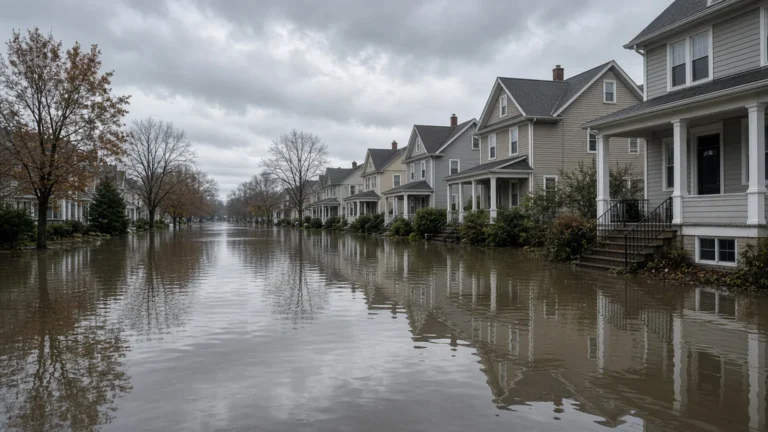
An emergency fund is money set aside specifically for unexpected expenses or a sudden loss of income: a job loss, a medical bill, a major car repair, or an urgent home repair. It’s one of the simplest financial tools, yet it does a lot of work. It keeps you out of high-interest debt when life goes sideways, lets you choose higher insurance deductibles with confidence, and gives you the breathing room to make good decisions under pressure.
This guide explains how much you might need, where to keep the money, how to build the fund even on a tight budget, and when to use it.
Why an Emergency Fund Matters
- Avoids high-interest debt: Without savings, many people turn to credit cards or expensive short-term loans, which can turn a one-time problem into a long-term burden.
- Protects your other goals: You won’t need to raid retirement accounts, which can trigger taxes and penalties.
- Works with your insurance: Insurance covers large losses but almost always involves deductibles, waiting periods, and gaps. An emergency fund covers those costs. See our guides to health insurance deductibles and disability insurance waiting periods.
- Reduces stress: Knowing you have a cushion makes surprises less frightening.
How Much Should You Save?
A common guideline is to save three to six months of essential living expenses. That’s a starting point, not a rule, and the right amount depends on your situation.
Calculate your essential expenses
List the costs you would still need to pay if your income stopped:
- Rent or mortgage.
- Utilities and phone.
- Groceries.
- Insurance premiums.
- Minimum debt payments.
- Transportation.
- Childcare and essential medical costs.
Leave out discretionary spending like dining out or vacations, which you could cut in an emergency. Multiply your monthly essential total by the number of months you want to cover.
When to aim for more
- Your income is irregular, such as freelance, commission, or seasonal work.
- You’re the only earner in your household.
- You work in an industry where job searches tend to take longer.
- You have dependents or health conditions.
- You own an older home or car that may need major repairs.
- You chose high insurance deductibles.
When a smaller fund may be reasonable
If you have very stable income, a dual-income household, and good insurance coverage, you might be comfortable at the lower end of the range. Everyone benefits from at least a starter cushion.
Start With a Starter Fund
If several months of expenses feels overwhelming, break it into stages:
- Stage 1: Save a small starter amount, enough to cover a typical car repair or a medical bill.
- Stage 2: Build to one month of essential expenses.
- Stage 3: Grow to three months.
- Stage 4: Continue toward six months or your personal target.
Celebrating each milestone helps keep motivation going.
Where to Keep Your Emergency Fund
An emergency fund needs to be safe, easy to access quickly, and separate from your everyday spending money. Growth is a secondary priority.
Good options
- High-yield savings accounts: Often offered by online banks and credit unions; they typically pay more interest than traditional savings accounts while keeping money accessible. In the U.S., check that the bank is FDIC-insured or the credit union is NCUA-insured.
- Money market accounts: Bank deposit accounts that may offer competitive rates and limited check-writing.
- Short-term certificates of deposit (CDs): Can work for part of a larger fund, but early withdrawal penalties apply. Some people ladder CDs so a portion matures regularly.
Options to avoid for emergency money
- Stocks and other volatile investments: Their value can fall just when you need the money.
- Speculative trading accounts: Forex and leveraged trading carry high risk and are not suitable for emergency savings. Read our beginner’s guide to forex to understand the risks.
- Cash at home in large amounts: Risky because of theft and fire, though a small amount for power outages can be sensible.
- Your checking account: Too easy to spend accidentally.
How to Build Your Fund Faster
Automate it
Set up an automatic transfer to savings on payday, even a small amount. Automation removes the need to decide every month.
Find money in your budget
- Review subscriptions and cancel ones you rarely use.
- Shop around for insurance, phone, and internet plans. Our guide to lowering car insurance premiums can help.
- Cook at home more often; see healthy eating on a budget.
- Set a spending pause for a month on non-essentials.
Use windfalls
Direct part or all of tax refunds, bonuses, gifts, or side income to your emergency fund.
Increase savings with raises
When your income rises, increase your automatic transfer before you get used to spending the extra money.
What Counts as an Emergency?
Define this in advance to avoid dipping in for non-emergencies. Generally, an emergency is unexpected, necessary, and urgent.
- Usually yes: Job loss, urgent medical or dental care, essential car repairs, urgent home repairs like a broken furnace, emergency travel for a family crisis, insurance deductibles.
- Usually no: Vacations, holiday gifts, sales, or planned purchases. Save for those in separate “sinking funds.”
Refill After You Use It
Using your emergency fund is exactly what it’s for. Afterward, make rebuilding a priority by temporarily increasing your automatic transfers until you’re back at your target.
Emergency Fund vs. Paying Off Debt
If you have high-interest debt, it can feel wrong to hold savings at a lower interest rate. Many planners recommend building at least a starter emergency fund first, then focusing on high-interest debt, then completing the full fund. Without any cushion, a single surprise expense can push you deeper into debt.
Emergency Funds for Different Situations
Freelancers and self-employed workers
Irregular income makes an emergency fund even more important. Many self-employed people keep a larger cushion and separate it from money set aside for taxes. Paying yourself a steady “salary” from a business account into your personal account can smooth out uneven months. See our guide to business insurance for freelancers for related protection.
Families with children
Children add unpredictable expenses, from medical visits to sudden childcare changes. Families often aim for the higher end of the three-to-six-month range, especially with a single income.
Homeowners
Homes come with repairs that are hard to predict, such as roofs, water heaters, and plumbing. Some homeowners keep a separate home repair fund in addition to their general emergency fund.
Pet owners
An unexpected vet bill can be large. A dedicated pet fund, or pet insurance combined with savings, can help.
Frequently Asked Questions
Should my emergency fund be in a separate bank?
Keeping it at a different institution from your checking account can reduce the temptation to spend it, as long as transfers are reasonably quick.
Can I invest part of my emergency fund?
Some people with large funds keep a few months in cash and invest the rest conservatively, but this adds risk. Your core emergency money should stay safe and accessible.
Is a credit card an emergency fund?
A credit line can be a backup, but it isn’t savings. Interest charges can make emergencies more expensive, and credit limits can be reduced.
How often should I review my emergency fund?
Review it at least once a year and whenever your expenses, income, or family situation changes.
Conclusion
An emergency fund is the foundation of a resilient financial life. Calculate your essential expenses, set a target that fits your income stability and responsibilities, start with a small starter fund, keep the money in a safe and accessible insured account, and automate your savings. With a cushion in place, unexpected events become manageable setbacks rather than financial crises.
This article is for general education and is not financial advice. Consider speaking with a qualified financial professional about your situation.