Health note: This article is for general educational purposes and is not medical advice. Cholesterol targets and treatment decisions depend on your overall health and risk factors. Talk with your doctor about your own results.
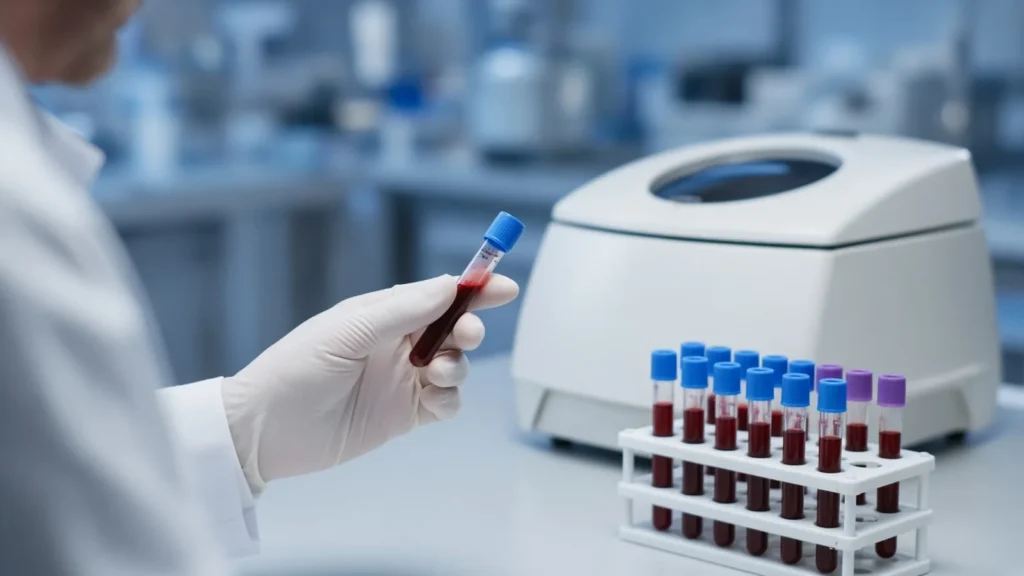
A cholesterol test, often called a lipid panel, is one of the most common blood tests adults receive. The results usually include several numbers, such as total cholesterol, LDL, HDL, and triglycerides, and it isn’t always obvious what they mean or which ones matter most. Understanding your lipid panel helps you have a more informed conversation with your doctor and make lifestyle choices that support heart health.
This guide explains what cholesterol is, what each number on your lipid panel represents, what influences those numbers, and practical steps to improve them.
What Is Cholesterol?
Cholesterol is a waxy, fat-like substance your body needs to build cells and make certain hormones and vitamin D. Your liver makes most of the cholesterol your body needs, and some comes from food. Because cholesterol doesn’t dissolve in blood, it travels in particles called lipoproteins. Different types of lipoproteins have different effects on heart health.
When there’s too much of certain types in the blood, cholesterol can build up in artery walls, forming plaque. Over time, plaque can narrow arteries and increase the risk of heart attack and stroke.
The Numbers on Your Lipid Panel
LDL cholesterol
Low-density lipoprotein (LDL) is often called “bad” cholesterol because high levels contribute to plaque buildup in arteries. Lowering LDL is a major focus of heart disease prevention. Your target LDL depends on your overall risk; people with existing heart disease, diabetes, or very high risk often have lower targets.
HDL cholesterol
High-density lipoprotein (HDL) is often called “good” cholesterol because it helps carry cholesterol away from the arteries to the liver for removal. Higher HDL levels are generally associated with lower heart disease risk, though raising HDL with medication has not been shown to provide the same benefit, so the focus is usually on overall lifestyle.
Triglycerides
Triglycerides are a type of fat in the blood that stores excess energy from food. High triglycerides are often linked with excess weight, high intake of refined carbohydrates and sugar, alcohol, physical inactivity, and conditions like diabetes. Very high levels can also raise the risk of pancreatitis.
Total cholesterol
This combines LDL, HDL, and a portion of other lipoproteins. On its own it’s less informative than the individual components.
Non-HDL cholesterol
This is total cholesterol minus HDL. It captures all the potentially harmful cholesterol-carrying particles and is increasingly used in risk assessment.
Why Your Overall Risk Matters
Doctors don’t interpret cholesterol numbers in isolation. They usually consider your overall cardiovascular risk, including age, sex, blood pressure, smoking status, diabetes, family history, and sometimes other tests. Risk calculators help estimate your chance of a heart attack or stroke over a period of years, which guides decisions about lifestyle changes and whether medication, such as a statin, might be beneficial.
What Affects Cholesterol Levels?
Factors you can’t change
- Genetics: Some people inherit conditions, such as familial hypercholesterolemia, that cause very high LDL from a young age.
- Age and sex: Cholesterol tends to rise with age, and women’s levels often change after menopause.
Factors you can influence
- Diet, especially saturated fat, trans fat, fiber, and refined carbohydrates.
- Body weight.
- Physical activity.
- Smoking.
- Alcohol intake, especially for triglycerides.
Certain conditions, such as hypothyroidism, kidney disease, and diabetes, and some medications can also affect cholesterol.
Eating to Improve Your Cholesterol
Reduce saturated fat
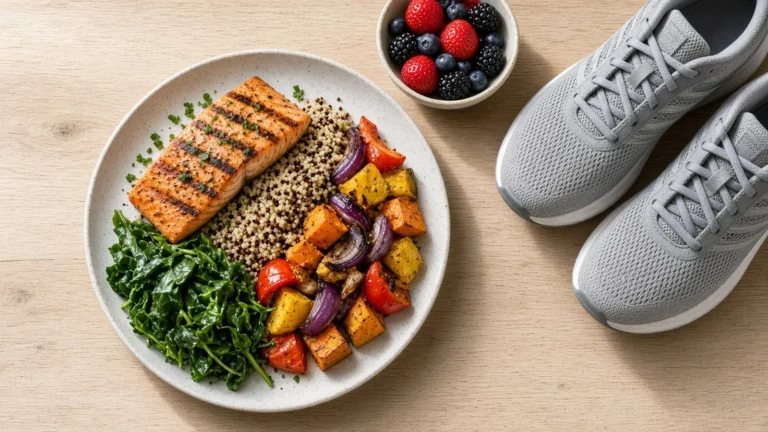
Saturated fat is found mainly in fatty cuts of red meat, processed meats, butter, full-fat dairy, and some tropical oils, as well as many baked goods and fried foods. Replacing saturated fat with unsaturated fats from olive oil, canola oil, nuts, seeds, and fish can help lower LDL.
Avoid trans fats
Artificial trans fats raise LDL and lower HDL. They’ve largely been removed from the U.S. food supply, but check ingredient lists for partially hydrogenated oils. See how to read nutrition labels.
Increase soluble fiber
Soluble fiber, found in oats, barley, beans, lentils, apples, citrus fruits, and psyllium, can help lower LDL by reducing cholesterol absorption.
Eat fish regularly
Fatty fish such as salmon, sardines, and mackerel provide omega-3 fatty acids, which can help lower triglycerides.
Limit refined carbs, added sugar, and alcohol
These have a particularly strong influence on triglycerides.
For an affordable approach, read heart-healthy eating on a budget.
Lifestyle Changes Beyond Diet
- Exercise regularly: Aerobic activity can help raise HDL and lower triglycerides. See walking for health.
- Lose excess weight: Even modest weight loss can improve triglycerides and other numbers. See healthy weight loss.
- Quit smoking: Quitting can improve HDL and greatly reduce cardiovascular risk.
- Limit alcohol.
When Medication May Be Recommended
Lifestyle changes are the foundation, but they aren’t always enough, especially for people with genetic conditions, existing heart disease, diabetes, or high overall risk. Statins are the most commonly prescribed cholesterol-lowering medications and have been studied extensively. Other options exist for people who need additional lowering or can’t tolerate statins. Decisions about medication should be made with your doctor based on your risk, preferences, and potential side effects. If you’re prescribed medication, keep up healthy habits too.
Getting Tested
Guidelines generally recommend periodic cholesterol checks for adults, with frequency depending on age and risk factors. Some guidelines also recommend screening children and young adults, particularly when there’s a family history of high cholesterol or early heart disease. Ask your doctor whether you need to fast before the test; many lipid panels can now be done without fasting. See our overview of preventive screenings by age.
Preparing for a Conversation With Your Doctor
- Bring your previous lipid panel results if you have them.
- Share family history of high cholesterol, heart attack, or stroke, including ages.
- Ask what your overall cardiovascular risk is and what targets make sense for you.
- Ask which lifestyle changes would have the biggest impact.
- Ask when you should be retested.
A Simple Cholesterol-Friendly Week
- Breakfast most days: Oatmeal or barley porridge with fruit and a spoonful of ground flaxseed or nuts.
- Two or more meals: Fatty fish such as salmon or sardines.
- Several lunches: Bean, lentil, or chickpea dishes, such as soups, salads, or curries.
- Cooking fat: Olive or canola oil instead of butter or lard.
- Snacks: Fruit, nuts, or vegetables instead of pastries and chips.
- Activity: At least 30 minutes of brisk walking on most days plus two strength sessions.
These changes overlap with advice for blood pressure and blood sugar, so one set of habits supports several aspects of heart health at once. Track how you feel and discuss your progress with your doctor at your next test.
Frequently Asked Questions
Can thin people have high cholesterol?
Yes. Genetics play a large role, so people of any body size can have high cholesterol. Testing is the only way to know.
Do eggs raise cholesterol?
For many people, dietary cholesterol from eggs has a smaller effect on blood cholesterol than saturated fat. Some people are more sensitive, and people with certain conditions may receive specific advice.
How quickly can lifestyle changes improve cholesterol?
Changes in diet and activity can begin to affect numbers within weeks to a few months. Your doctor may recheck after a period of consistent changes.
Is high HDL always good?
Generally higher HDL is associated with lower risk, but extremely high levels aren’t necessarily protective. Your doctor will interpret HDL in context.
Conclusion
Your lipid panel tells an important story about heart health. LDL and non-HDL cholesterol are key targets, HDL offers additional context, and triglycerides reflect diet, weight, and activity. Focus on reducing saturated fat, adding soluble fiber, eating fish, staying active, managing weight, and avoiding tobacco. Work with your doctor to understand your overall risk and whether medication is appropriate, and retest as recommended.