Health note: This article is for general educational purposes and is not medical advice. Talk with your doctor or another qualified health professional about your own situation, especially if you have a medical condition or take medication.
Eating for heart health doesn’t require expensive superfoods, specialty stores, or complicated recipes. Some of the most heart-friendly foods, like beans, oats, frozen vegetables, canned fish, and seasonal produce, are also among the most affordable items in the grocery store. With a bit of planning, you can eat in a way that supports healthy blood pressure and cholesterol while keeping your food budget under control.
This guide explains the basics of heart-healthy eating, lists budget-friendly staples, and shares practical shopping, cooking, and meal-planning strategies.
What Heart-Healthy Eating Looks Like
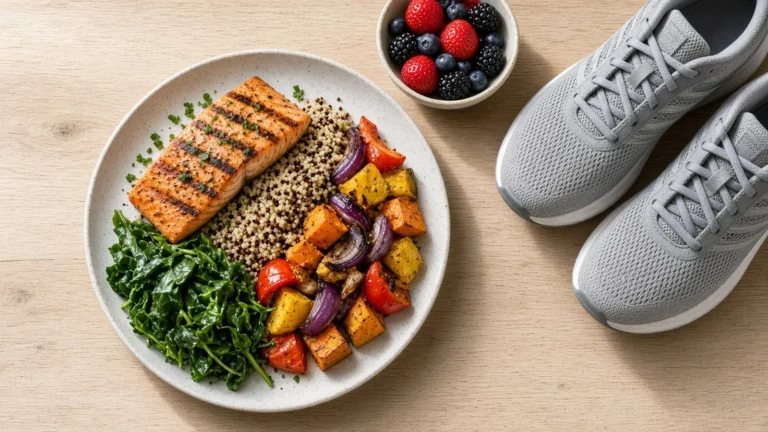
Major health organizations generally recommend an eating pattern that emphasizes:
- Plenty of vegetables and fruits.
- Whole grains instead of refined grains.
- Healthy protein sources, such as beans, lentils, fish, poultry, nuts, and seeds.
- Healthy fats from olive oil, other vegetable oils, nuts, and seeds.
- Limited saturated fat, sodium, added sugars, and highly processed foods.
Eating patterns like the DASH diet and the Mediterranean diet follow these principles and are frequently recommended. For more on blood pressure, see our guide to lowering blood pressure with everyday habits, and for cholesterol, understanding cholesterol.
Budget-Friendly Heart-Healthy Staples
Proteins
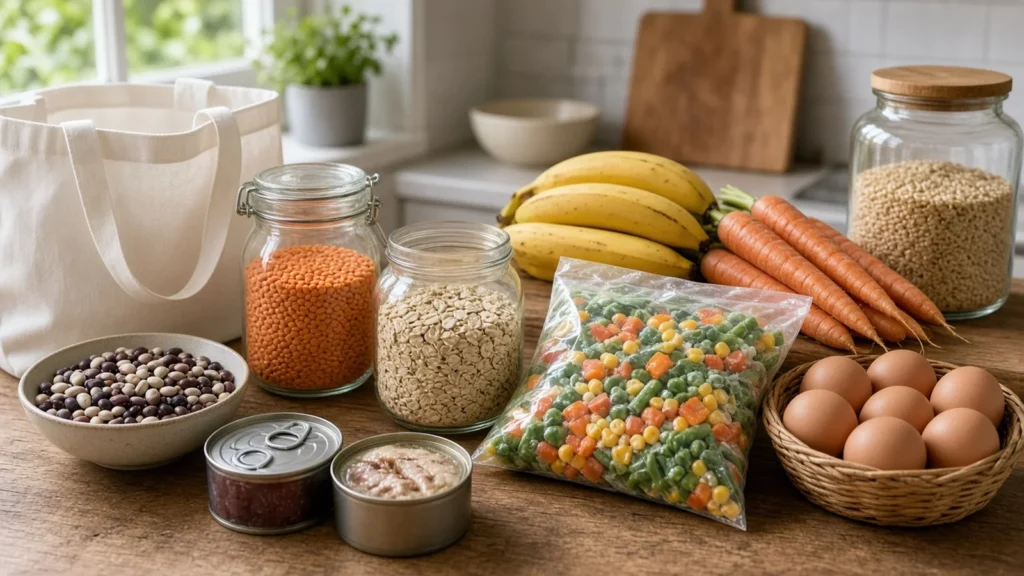
- Dried or canned beans and lentils: Inexpensive, filling, and rich in fiber and protein. Rinse canned beans to reduce sodium.
- Canned fish: Salmon, sardines, and mackerel provide omega-3 fats. Choose versions packed in water or olive oil with lower sodium when available.
- Eggs: Versatile and affordable.
- Frozen fish fillets and chicken: Often cheaper than fresh and easy to portion.
- Peanut butter: Look for products without added sugar or hydrogenated oils.
- Tofu: An affordable plant protein in many areas.
Whole grains
- Oats: Old-fashioned or steel-cut oats are inexpensive and contain soluble fiber, which can help lower LDL cholesterol.
- Brown rice, barley, and bulgur: Filling and cheap when bought in larger bags.
- Whole-wheat pasta and bread: Check labels for whole grain as the first ingredient.
- Popcorn kernels: Air-popped popcorn is a whole-grain snack.
Vegetables and fruits
- Frozen vegetables and fruits: Frozen at peak ripeness, nutritious, long-lasting, and often cheaper than fresh. Choose plain versions without sauces.
- Canned tomatoes: A base for soups, stews, and sauces; look for no-salt-added options.
- Long-lasting produce: Carrots, cabbage, onions, potatoes, sweet potatoes, apples, oranges, and bananas.
- Seasonal produce: Usually cheaper and tastier when in season.
Healthy fats and flavor
- Olive oil or canola oil.
- Nuts and seeds bought in bulk, such as sunflower seeds or peanuts.
- Herbs, spices, garlic, vinegar, and citrus to add flavor without much salt.
Smart Shopping Strategies
- Plan meals around sales and what you already have. Check your pantry and fridge before shopping.
- Make a list and stick to it to reduce impulse buys of processed snacks.
- Buy store brands, which are often similar in quality at lower prices.
- Compare unit prices on shelf tags to find the best value.
- Buy staples in bulk when you’ll use them, like oats, rice, and dried beans.
- Read labels for sodium, added sugars, and fiber. See how to read nutrition labels.
- Shop the perimeter and the frozen aisle strategically, while being selective in aisles full of processed foods.
Cooking Strategies That Save Money
Cook in batches
Prepare a large pot of soup, chili, or grains once or twice a week and use leftovers for lunches and quick dinners. Freeze portions for later.
Stretch protein with plants
Mix lentils or beans into ground meat dishes, or make plant-based meals a few times a week. This cuts cost and saturated fat while adding fiber.
Use healthier cooking methods
Baking, roasting, grilling, steaming, and sautéing with a small amount of oil are heart-friendly alternatives to deep frying.
Reduce food waste
Turn wilting vegetables into soups or stir-fries, freeze ripe bananas for oatmeal or smoothies, and store leftovers in clear containers so you remember to eat them.
A Sample Budget-Friendly Day
- Breakfast: Oatmeal cooked with milk or water, topped with sliced banana and a spoonful of peanut butter.
- Lunch: Lentil and vegetable soup with a slice of whole-grain bread.
- Snack: An apple and a small handful of peanuts.
- Dinner: Baked canned-salmon patties with roasted frozen broccoli and brown rice.
Five Cheap and Easy Heart-Healthy Meal Ideas
- Black bean and vegetable chili with canned tomatoes, onions, peppers, and spices.
- Vegetable fried rice with leftover brown rice, frozen mixed vegetables, eggs, and a little low-sodium soy sauce.
- Chickpea and spinach curry using canned chickpeas, frozen spinach, and spices.
- Sheet-pan chicken and vegetables with potatoes, carrots, and onions roasted in olive oil.
- Tuna or sardine pasta with whole-wheat pasta, garlic, olive oil, lemon, and frozen peas.
What to Limit
- Processed meats like bacon, sausage, and deli meats, which are often high in sodium and saturated fat.
- Sugary drinks, which add calories without nutrients.
- Packaged snacks and fast food, which are often high in sodium and refined starch.
- Frequent fried foods.
You don’t need to eliminate these completely, but making them occasional rather than daily helps.
Planning a Week of Meals
A simple weekly plan reduces waste and last-minute takeout. Try this approach:
- Pick two or three “base” recipes that make leftovers, such as a big pot of chili, a tray of roasted vegetables, and a batch of brown rice.
- Plan to remix leftovers: Chili becomes a topping for baked potatoes; roasted vegetables go into wraps or omelets; rice becomes fried rice.
- Prep ingredients once: Wash and chop vegetables, cook grains, and portion snacks right after shopping.
- Keep a “backup” meal in the freezer or pantry, like whole-wheat pasta with canned tomatoes and frozen vegetables, for busy nights.
- Use theme nights such as “bean night” or “fish night” to make planning easier.
Eating Out Without Derailing Your Budget or Your Heart
Restaurant meals tend to be higher in sodium and portion size. When you eat out, look for grilled, baked, or steamed options, ask for sauces and dressings on the side, add a vegetable side, and consider sharing a main course or taking half home. Drinking water instead of sugary beverages saves money and calories.
Heart-Healthy Habits Beyond the Plate
Food is only one part of heart health. Regular physical activity, not smoking, limiting alcohol, managing stress, and getting enough sleep all matter too. The good news is that many of these habits are free. A daily walk costs nothing, and cooking at home can become a relaxing routine rather than a chore. Combining an affordable eating pattern with these habits gives your heart the best support, and regular check-ups help you track blood pressure and cholesterol over time. See our guide to preventive screenings by age.
Frequently Asked Questions
Are frozen vegetables as healthy as fresh?
Frozen vegetables are generally comparable in nutrition to fresh and sometimes better than fresh produce that has been stored for a long time. Choose versions without added sauces or salt.
Is canned food healthy?
Canned beans, tomatoes, and fish can be very healthy. Choose low-sodium or no-salt-added options and rinse beans.
Are eggs bad for heart health?
For many people, eggs can fit into a heart-healthy diet in moderation. People with certain conditions may receive specific guidance from their doctor.
Do I need to buy organic to eat healthy?
No. Eating more fruits, vegetables, whole grains, and legumes is beneficial whether or not they are organic.
Conclusion
A heart-healthy diet can be one of the most affordable ways to eat. Build meals around beans, lentils, oats, whole grains, frozen and seasonal produce, canned fish, and healthy oils. Plan ahead, compare unit prices, cook in batches, and season with herbs and spices instead of salt. Small, consistent changes protect both your heart and your wallet. Money saved on groceries can even help you build an emergency fund.