Risk warning: Trading foreign exchange (forex) and CFDs on margin carries a high level of risk and may not be suitable for all investors. Leverage can work against you as well as for you, and you can lose more than you expect, in some cases more than your initial deposit. This article is for educational purposes only and is not financial or investment advice. Consider your objectives, experience, and risk tolerance, and seek advice from an independent, licensed financial professional if needed.
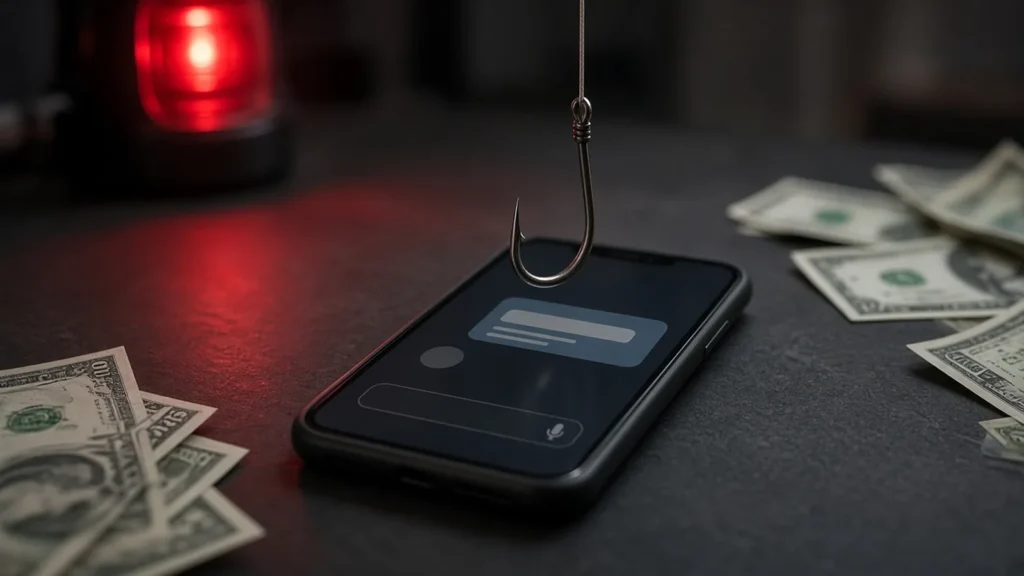
The popularity of forex trading has attracted not only legitimate brokers and educators but also fraudsters. Forex and crypto-related investment scams use slick websites, social media influencers, fake trading platforms, and personal messages to persuade people to hand over money. Victims may lose their savings, and recovery is often difficult or impossible, especially when scammers operate across borders. Knowing the warning signs is one of the best defenses.
This guide describes common forex scams, red flags to watch for, how to check whether a firm is legitimate, and what to do if you suspect you’ve been targeted.
Common Types of Forex Scams
Unregulated or fake brokers
Some “brokers” are not licensed by any reputable regulator, or claim licenses they don’t hold. They may show fake profits on your account to encourage more deposits, then block withdrawals or disappear. Some scam platforms are entirely fabricated: the trades and prices you see are not real.
Clone firms
Scammers impersonate legitimate, regulated companies by copying their names, logos, license numbers, and website designs, but use different contact details and bank accounts.
Signal sellers and “guaranteed” systems
Sellers promise trading signals, robots, or expert advisors that produce consistent high returns. Many use cherry-picked or fabricated results. No legitimate system guarantees profits.
Account management schemes
Someone offers to trade your account for you, often requesting login credentials or asking you to deposit with a particular broker. They may trade recklessly, steal funds, or earn hidden commissions.
Social media and influencer schemes
Accounts display luxury lifestyles and screenshots of large profits to sell courses, signal groups, or recruitment into multi-level marketing structures.
Relationship investment scams
Scammers build trust over weeks or months through dating apps, social media, or messaging apps, sometimes after a “wrong number” message, then introduce an investment opportunity on a platform they control. Victims are encouraged to invest increasing amounts after seeing fake gains. Authorities in many countries have warned about these schemes.
Ponzi and “pooled fund” schemes
Operators promise high, steady monthly returns from forex trading, paying earlier investors with money from new investors until the scheme collapses.
Recovery scams
After a loss, victims are contacted by people claiming they can recover funds for an upfront fee. These are often the same or related scammers.
Red Flags
- Guaranteed or unusually high returns: Claims like “earn 5% per week with no risk” are classic warning signs.
- Pressure to act quickly: “Limited spots,” countdown timers, or urgent calls.
- Unsolicited contact: Cold calls, direct messages, or emails offering investment opportunities.
- Requests for unusual payment methods: Cryptocurrency transfers, gift cards, wire transfers to personal accounts, or payment to third parties.
- Withdrawal problems: Delays, excuses, or demands for “taxes,” “fees,” or “verification deposits” before releasing funds.
- No verifiable regulation or regulation only in jurisdictions with minimal oversight.
- Requests for remote access to your computer or for your login credentials.
- Vague strategies: Explanations that rely on secret methods or “proprietary algorithms.”
- Bonuses with strings attached that lock your money.
- Professional-looking but anonymous: No clear company address, management team, or legal entity.
How to Check a Firm’s Legitimacy
- Search official regulator registers directly: for example, the NFA’s BASIC database in the United States, the FCA Register in the UK, ASIC’s professional register in Australia, and EU national regulators’ registers. See how to choose a regulated forex broker.
- Check warning lists: Many regulators publish lists of unauthorized firms and clones. The International Organization of Securities Commissions (IOSCO) also maintains an investor alerts portal that aggregates warnings.
- Verify contact details: Compare website domains, phone numbers, and emails with those on the regulator’s register.
- Search independently: Look up the firm’s name with words like “scam,” “complaint,” or “withdrawal.”
- Be wary of reviews on the firm’s own site or on unknown review sites.
- Test withdrawals early with a small amount if you’ve already deposited.
Protecting Yourself
- Never share passwords, one-time codes, or remote access with anyone.
- Don’t invest based on advice from someone you’ve met only online.
- Be skeptical of screenshots of profits; they’re easy to fake.
- Understand that real trading involves losses; see what is forex trading and leverage and margin explained.
- Take time to research; legitimate opportunities don’t require immediate decisions.
- Talk to a trusted friend or family member before investing large amounts.
- Use payment methods with stronger protections where possible.
What to Do If You Suspect a Scam
- Stop sending money, regardless of promises or threats.
- Document everything: Screenshots, emails, chat logs, transaction records, and website addresses.
- Contact your bank or payment provider immediately; they may be able to stop or reverse some transactions.
- Report to authorities: Your financial regulator, police, and national fraud reporting centers. In the U.S., agencies such as the CFTC, SEC, FBI’s Internet Crime Complaint Center, and FTC accept reports.
- Secure your accounts: Change passwords, enable two-factor authentication, and check devices for remote access software.
- Beware of recovery offers that require upfront fees.
- Seek support: Being scammed is stressful and can happen to anyone. Talking to trusted people or support services can help.
Education Without Exploitation
Legitimate trading education exists, but it typically focuses on risk management, realistic expectations, and process rather than promises of wealth. Good educators disclose risks clearly, don’t pressure you to deposit with a specific broker, and don’t sell guaranteed results. Free resources from regulators and reputable financial institutions are a good starting point. Practicing on a demo account is another low-cost way to learn; see demo vs. live trading.
A Quick Self-Check Before You Invest
Before sending money to any trading platform, signal service, or account manager, ask yourself: Did I find this firm myself, or did it find me? Have I confirmed its license on the regulator’s own website? Do I understand exactly how it makes money? Am I being promised returns that seem too good to be true? Would I be comfortable if a trusted friend reviewed this opportunity? If any answer makes you hesitate, pause. Legitimate firms will still be there after you’ve done your homework; scammers depend on urgency.
Frequently Asked Questions
Is all forex trading a scam?
No. Forex is a legitimate global market, and regulated brokers operate lawfully. But retail trading is risky, and scams exploit interest in it.
Can I get my money back?
Sometimes, especially if you act quickly through your bank or payment provider, but recovery is often difficult. Report promptly.
How do scammers find victims?
Through social media, messaging apps, dating platforms, online ads, cold calls, and data from previous scams.
Are trading robots scams?
Not all automated tools are scams, but any that guarantee profits or hide their performance history should be treated with great suspicion.
Conclusion
Forex scams take many forms, including fake brokers, clone firms, guaranteed signal services, account managers, relationship investment schemes, Ponzi schemes, and recovery scams. Protect yourself by verifying regulation on official registers, ignoring promises of guaranteed returns, refusing to share credentials, and taking time to research. If you suspect fraud, stop sending money, document everything, and report it quickly. Caution and verification are your strongest defenses.
Risk warning: Trading foreign exchange (forex) and CFDs on margin carries a high level of risk and may not be suitable for all investors. Leverage can work against you as well as for you, and you can lose more than you expect, in some cases more than your initial deposit. This article is for educational purposes only and is not financial or investment advice. Consider your objectives, experience, and risk tolerance, and seek advice from an independent, licensed financial professional if needed.