A homeowners insurance policy can look like a wall of unfamiliar terms: dwelling, other structures, personal property, loss of use, liability, endorsements, perils. Yet for most families, the home is their largest asset, and the policy that protects it deserves a careful read. Understanding how each part of the policy works helps you choose the right limits, avoid gaps, and know what to expect if you ever need to file a claim.
This guide breaks down the standard coverage types in a typical U.S. homeowners policy, explains common exclusions, and offers practical tips for setting limits and reviewing your coverage.
How a Homeowners Policy Is Organized
Most standard homeowners policies, such as the widely used HO-3 form, are divided into two main sections. Section I covers your property: the house, other structures, your belongings, and the extra costs of living elsewhere after a covered loss. Section II covers liability: your legal responsibility for injuries or damage to others, plus medical payments for guests. Insurers often label the property coverages with letters, from Coverage A through Coverage D, followed by Coverage E and F for liability and medical payments.
Coverage A: Dwelling
Dwelling coverage pays to repair or rebuild the structure of your home, including attached structures such as an attached garage, if it is damaged by a covered peril like fire, windstorm, hail, lightning, or the weight of snow.
Setting the right dwelling limit
The dwelling limit should reflect the cost to rebuild your home, not its market value. Market value includes the land and is influenced by the real estate market, while rebuilding cost depends on construction labor, materials, local building codes, and the size and features of the house. Many insurers use replacement cost estimating tools; ask how your limit was calculated and update it after renovations.
Extended and guaranteed replacement cost
Some insurers offer endorsements that pay a certain percentage above your dwelling limit, or in some cases the full rebuilding cost, if construction prices rise after a disaster. These can be valuable in areas prone to widespread events where demand for builders surges.
Coverage B: Other Structures
This covers structures on your property that are not attached to the house, such as a detached garage, shed, fence, or gazebo. The limit is often set as a percentage of the dwelling limit. If you have a large detached workshop or guest house, check whether the default amount is enough.
Coverage C: Personal Property
Personal property coverage protects your belongings, including furniture, clothing, electronics, appliances, and household goods, whether they are in your home or, in many cases, temporarily elsewhere. Like the other structures limit, it is often a percentage of the dwelling limit by default.
Replacement cost vs. actual cash value
Policies may pay to replace items with new ones of similar kind and quality (replacement cost) or pay the depreciated value (actual cash value). Replacement cost coverage usually costs more but can provide much better protection after a large loss.
Special limits on valuables
Policies often cap coverage for categories such as jewelry, watches, furs, firearms, cash, collectibles, and silverware. If you own valuable items, consider scheduling them with an endorsement or separate floater, which may also broaden coverage to include accidental loss.
Coverage D: Loss of Use
If a covered event makes your home uninhabitable, loss of use coverage helps pay additional living expenses, such as a hotel or rental, extra food costs, and sometimes increased commuting expenses, above what you normally spend. Some policies limit this coverage by amount, by time, or both. Keep receipts for everything during displacement.
Coverage E: Personal Liability
Liability coverage helps protect you if you are legally responsible for injuring someone or damaging their property, at home or, in many cases, elsewhere. It can pay for the injured person’s costs and for your legal defense. Common examples include a visitor falling on your icy steps or a tree from your yard damaging a neighbor’s car because of neglect.
Many people choose higher liability limits than the minimum offered because a serious injury lawsuit can be costly. If your assets exceed your home policy’s liability limit, an umbrella policy can add another layer.
Coverage F: Medical Payments to Others
This pays for minor medical expenses of guests injured on your property, regardless of fault. Limits are usually modest. It can resolve small injuries quickly without a lawsuit. It does not cover you or members of your household.
Common Exclusions to Know
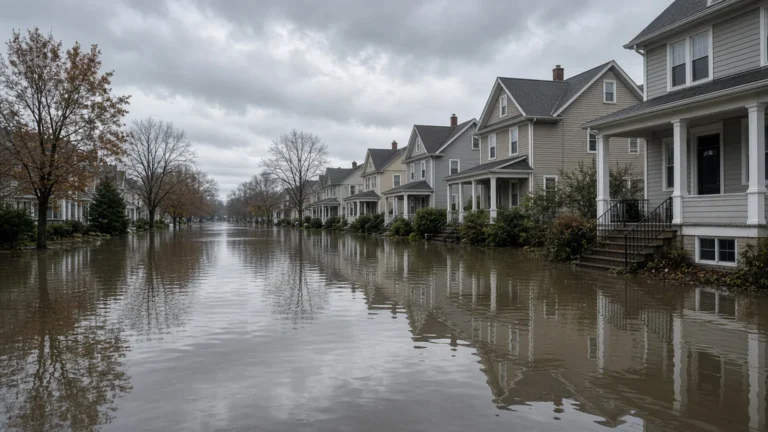
- Flood: Standard homeowners policies typically exclude flood damage. See our guide to flood insurance.
- Earthquake and earth movement: Usually excluded; separate coverage or an endorsement may be available.
- Maintenance problems: Wear and tear, rot, mold from long-term leaks, and pest damage are generally not covered.
- Sewer or drain backup: Often excluded unless you add an endorsement.
- Business activities: Home businesses may need additional coverage; see our guide to business insurance for freelancers.
Deductibles and Special Deductibles
Your deductible is the amount you pay before coverage applies to a property claim. Many policies have a flat dollar deductible, but homes in areas exposed to hurricanes, windstorms, or hail may have a separate percentage deductible based on the dwelling limit. A percentage deductible can be much larger than a flat one, so understand how it is calculated before a storm arrives.
How to Review Your Policy
- Check the declarations page: It lists your limits for each coverage, your deductibles, and any endorsements.
- Confirm the dwelling limit reflects rebuilding costs, especially after renovations, additions, or major upgrades.
- Create a home inventory with photos or video and store it securely online.
- Review special limits for valuables and schedule items where needed.
- Consider useful endorsements such as water backup, extended replacement cost, or building code (ordinance or law) coverage.
- Ask about discounts for security systems, smoke detectors, new roofs, claims-free history, and bundling with auto insurance.
- Review annually and after life changes like buying expensive items or starting a home business.
What Happens When You File a Home Claim
Knowing the basic process helps you act quickly after damage. First, make sure everyone is safe and take reasonable steps to prevent further damage, such as covering a broken window or shutting off water to a burst pipe; policies typically expect you to mitigate losses. Then document the damage with photos and video, contact your insurer to open a claim, and keep receipts for emergency repairs and temporary housing. An adjuster will usually inspect the damage and estimate repair costs. With replacement cost coverage, insurers often pay the actual cash value first and the remaining amount after repairs or replacement are completed, so keep invoices.
Frequently Asked Questions
Is homeowners insurance required?
No law generally requires it, but mortgage lenders almost always require it as a condition of the loan.
What is the difference between HO-3 and HO-5?
Both cover the dwelling broadly, but an HO-5 typically covers personal property on an open-perils basis as well, meaning everything is covered unless specifically excluded, while an HO-3 usually covers belongings only for named perils.
Does homeowners insurance cover a roof leak?
Sudden damage from a covered peril, such as a storm, is often covered. Leaks caused by age or lack of maintenance usually are not.
Should I file a claim for small damage?
If the cost is close to your deductible, paying yourself may make sense, since claims history can affect future premiums. Our claims guide explains how to decide.
Conclusion
A homeowners policy is really a bundle of coverages: dwelling, other structures, personal property, loss of use, liability, and medical payments. Each has its own limit and its own rules. Set your dwelling limit based on rebuilding cost, choose replacement cost for belongings if possible, check special limits on valuables, understand your deductibles, and fill gaps such as flood or water backup coverage where they matter for your home. A yearly review keeps your protection aligned with your life.