Health note: This article is for general educational purposes and is not medical advice. People with heart, kidney, or liver conditions, or who take certain medications, may need specific fluid guidance from their doctor.
“Drink eight glasses of water a day” is one of the most repeated pieces of health advice. It’s easy to remember, but it isn’t the whole story. Your fluid needs depend on your body size, activity, climate, health, and diet. Some people need more, many get plenty from a mix of drinks and foods, and a few need to be careful about drinking too much.
This guide explains how hydration works, how to estimate your needs, how to tell if you’re getting enough, and which popular hydration claims are myths.
Why Water Matters
Water makes up a large share of body weight and is involved in nearly every bodily function. It helps regulate body temperature through sweat, carries nutrients, cushions joints, supports digestion, helps the kidneys remove waste, and maintains blood volume. Even mild dehydration can cause fatigue, headaches, and reduced concentration in some people, and more significant dehydration can be dangerous.
How Much Do You Really Need?
There isn’t a single number that fits everyone. Health authorities publish general reference amounts for total water intake, which include water from all beverages and food, not just plain water. These references are averages for healthy adults in temperate climates and vary by sex and age. Food typically supplies a meaningful portion of daily water, especially fruits, vegetables, soups, and yogurt.
Factors that increase your needs
- Physical activity: Sweating during exercise or physical work increases fluid loss.
- Hot or humid weather: Heat increases sweating; high altitude can also increase fluid needs.
- Illness: Fever, vomiting, and diarrhea cause fluid loss.
- Pregnancy and breastfeeding: Fluid needs are higher.
- Larger body size.
Signs You’re Well Hydrated
For most healthy people, thirst is a reasonable guide. Other practical signs include:
- Urine color: Pale yellow usually indicates good hydration; dark yellow can signal you need more fluids. Some vitamins and foods can change urine color.
- Frequency: Urinating regularly throughout the day.
- Few symptoms: Absence of thirst, dry mouth, or unusual fatigue.
Signs of dehydration
- Thirst and dry mouth.
- Dark urine or urinating less often.
- Headache, dizziness, or fatigue.
- In more severe cases, confusion, rapid heartbeat, or fainting, which require medical attention.
Older adults may feel less thirsty even when they need fluids, and young children can become dehydrated quickly, so both groups need extra attention.
Common Hydration Myths
Myth 1: Everyone needs exactly eight glasses of water a day
This rule of thumb isn’t based on a precise scientific requirement. Total needs vary, and fluids from food and other drinks count.
Myth 2: Coffee and tea dehydrate you
Caffeine has a mild diuretic effect, but for regular drinkers, coffee and tea still contribute to daily fluid intake. Moderation still matters for other reasons, like sleep. See our sleep guide.
Myth 3: If you’re thirsty, you’re already dangerously dehydrated
Thirst is a normal signal that your body wants fluids. For most healthy people, responding to thirst is enough during normal daily activity.
Myth 4: More water is always better
Drinking excessive amounts of water in a short time, especially during long endurance events, can dilute sodium in the blood, a dangerous condition called hyponatremia. Balance matters.
Myth 5: Drinking lots of water “flushes toxins” and melts fat
Your kidneys and liver handle waste removal. Adequate hydration supports them, but extra water doesn’t detox your body or directly burn fat. That said, choosing water instead of sugary drinks can support weight goals. See healthy weight loss without crash diets.
Myth 6: Sports drinks are necessary for every workout
For most moderate workouts under about an hour, water is sufficient. Sports drinks with electrolytes and carbohydrates can be useful for prolonged, intense exercise or heavy sweating in heat.
Practical Ways to Stay Hydrated
- Keep a reusable water bottle with you at work, in the car, and while running errands.
- Drink with meals: A glass of water at each meal is an easy habit.
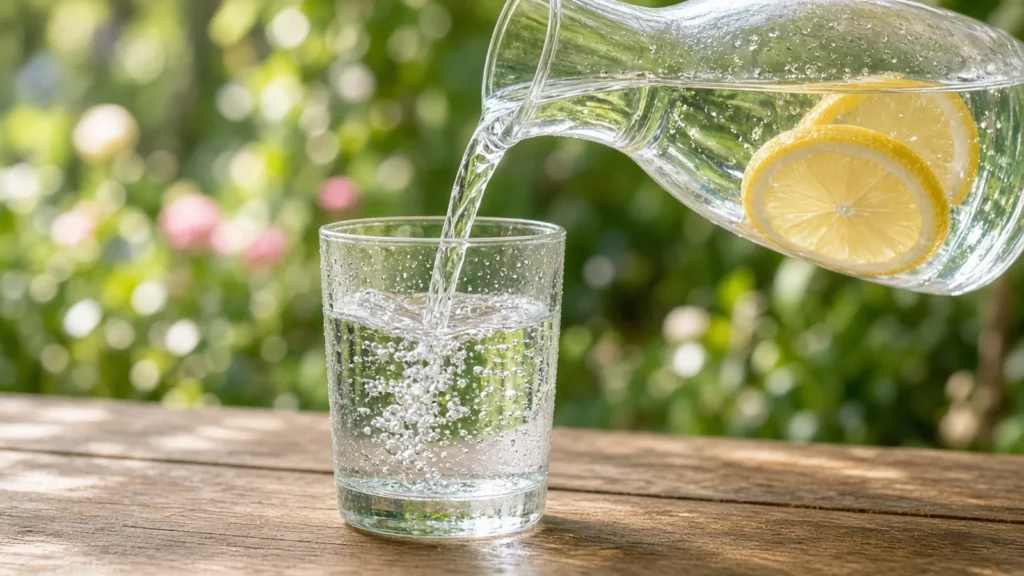
- Flavor it naturally: Add lemon, cucumber, mint, or berries.
- Eat water-rich foods: Watermelon, oranges, cucumbers, lettuce, tomatoes, soups, and yogurt.
- Set reminders if you tend to forget, especially during busy workdays.
- Drink before, during, and after exercise based on how much you sweat.
- Choose water first instead of sugary drinks; check labels on flavored waters. See how to read nutrition labels.
Hydration During Exercise
Needs vary greatly between people. A practical approach is to start exercise reasonably hydrated, drink according to thirst during activity, and rehydrate afterward. Endurance athletes sometimes weigh themselves before and after training to estimate sweat losses and plan fluid intake. In hot weather, take breaks in shade, wear light clothing, and watch for signs of heat illness, such as heavy sweating, weakness, nausea, or confusion.
If you’re starting a new routine, our guides to walking for health and strength training over 40 can help.
Special Considerations
Older adults
Thirst sensation can decline with age, and some medications affect fluid balance. Regular drinking habits, like a glass of water with each meal and medication, can help.
People with certain health conditions
Heart failure, kidney disease, and some liver conditions may require fluid restrictions. Some medications, such as diuretics, affect fluid and electrolyte balance. Follow your clinician’s guidance.
Children
Offer water regularly, especially during play and hot weather, and limit sugary drinks.
A Simple Daily Hydration Routine
- Morning: Drink a glass of water when you wake up, alongside your usual coffee or tea.
- Commute or work start: Fill your reusable bottle and keep it within reach.
- Meals: Have a glass of water with breakfast, lunch, and dinner.
- Afternoon: Refill your bottle when your energy dips; mild dehydration can feel like tiredness.
- Exercise: Drink before and after, and sip during longer or hotter sessions.
- Evening: Reduce large drinks in the hour or two before bed if nighttime bathroom trips disrupt your sleep.
Adjust this routine to the weather, your activity level, and how your body feels. On hot days or when you’re unwell, you’ll likely need more.
Hydration and Travel
Air travel, long car rides, and hot destinations can make it easy to fall behind on fluids. Bring an empty reusable bottle through airport security and fill it afterward, limit alcohol on flights, and pay attention to local advice about drinking water safety when traveling abroad. If you’re heading somewhere remote, our guide to travel insurance covers medical protection while away.
Frequently Asked Questions
Does sparkling water hydrate as well as still water?
Yes. Plain sparkling water hydrates similarly to still water. Watch for added sugars or sodium in flavored versions.
Can I drink too much water?
It’s uncommon in daily life, but drinking very large amounts quickly, especially during prolonged exercise, can cause hyponatremia. Drink to thirst and include electrolytes for long, sweaty events.
Does milk count toward hydration?
Yes. Milk and other beverages contribute fluid; some also provide nutrients, and some contain added sugars.
Is water from food significant?
Yes. Many fruits and vegetables are mostly water and contribute meaningfully to daily intake.
Conclusion
There’s no universal magic number for water. Most healthy adults can stay well hydrated by drinking when thirsty, having water with meals, eating plenty of fruits and vegetables, and increasing fluids during heat, exercise, and illness. Use urine color and how you feel as practical guides, choose water over sugary drinks, and follow medical advice if you have conditions that affect fluid needs.