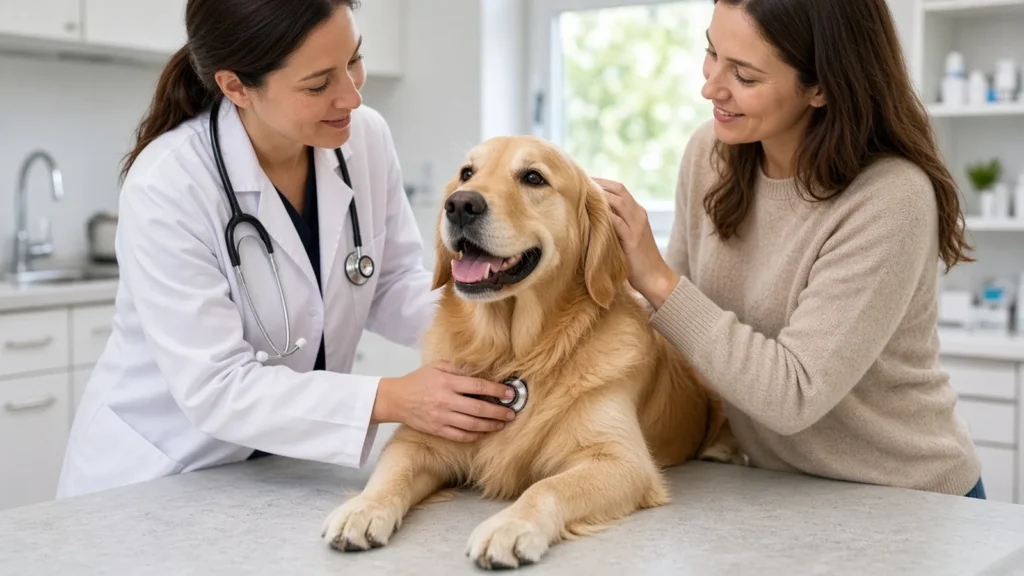
Veterinary care has advanced dramatically. Pets can now receive treatments such as advanced imaging, specialized surgery, and cancer care that were once rare. That progress is wonderful for animals, but it also means a sudden illness or accident can produce a large and unexpected bill. Pet insurance is designed to help owners pay for those costs so that decisions about care are less constrained by money.
This guide explains how pet insurance works, the main types of plans, what is typically covered and excluded, and how to decide whether a policy makes sense for your pet and your budget.
How Pet Insurance Works
Pet insurance usually works on a reimbursement model. You take your pet to a licensed veterinarian, pay the bill, and then submit a claim to the insurer. If the treatment is covered, the insurer reimburses you based on your plan’s deductible, reimbursement percentage, and limits. Some insurers can pay the vet directly in certain situations, but reimbursement is most common.
The key numbers
- Premium: What you pay monthly or annually for coverage.
- Deductible: The amount you pay before reimbursement starts. Many plans use an annual deductible, while some apply a deductible per condition.
- Reimbursement rate: The percentage of covered costs the insurer pays after the deductible, commonly options such as 70%, 80%, or 90%.
- Annual or lifetime limits: The maximum the plan will pay per year, per condition, or over the pet’s lifetime. Some plans offer unlimited annual coverage.
Choosing a higher deductible or lower reimbursement rate generally lowers the premium but increases your share of costs when your pet needs care.
Main Types of Pet Insurance Plans
Accident-only plans
These cover injuries from accidents, such as broken bones, cuts, swallowed objects, or being hit by a car. They are usually the least expensive option but do not cover illnesses.
Accident and illness plans
The most common type of comprehensive coverage. In addition to accidents, these plans typically cover illnesses such as infections, digestive problems, allergies, cancer, diabetes, and many hereditary or congenital conditions, depending on the policy. They often include diagnostics, surgery, hospitalization, medications, and sometimes specialist care.
Wellness or routine care add-ons
Wellness plans help pay for predictable care like vaccinations, annual exams, flea and tick prevention, dental cleanings, and sometimes spaying or neutering. They work more like a budgeting tool than insurance, because the costs are expected. Compare the add-on’s price with what you would actually spend on routine care to see if it saves money.
What Pet Insurance Commonly Covers
- Emergency visits and hospitalization.
- Diagnostic tests such as blood work, X-rays, ultrasound, and sometimes MRI or CT scans.
- Surgery and anesthesia.
- Prescription medications.
- Cancer treatment, depending on the plan.
- Chronic conditions like diabetes or allergies, if they began after coverage started.
- Hereditary and congenital conditions on many comprehensive plans.
Some plans also include or offer add-ons for exam fees, alternative therapies such as acupuncture or rehabilitation, behavioral therapy, and dental illness.
Common Exclusions and Limitations
Pre-existing conditions
This is the most important exclusion to understand. Conditions that showed signs or symptoms before coverage began, or during a waiting period, are generally excluded. Some insurers distinguish between curable conditions, which may become eligible after a symptom-free period, and incurable ones, which usually remain excluded. This is a strong reason to insure a pet while young and healthy.
Waiting periods
Most plans have waiting periods after enrollment before coverage starts, often shorter for accidents and longer for illnesses, and sometimes longer still for certain orthopedic conditions.
Other common exclusions
- Routine and preventive care, unless you buy a wellness add-on.
- Cosmetic or elective procedures.
- Breeding and pregnancy-related costs.
- Some dental care, depending on the plan.
- Conditions resulting from neglect or failure to follow vet advice.
How Much Does Pet Insurance Cost?
Premiums vary based on your pet’s species, breed, age, and location, plus your chosen deductible, reimbursement rate, and limits. Dogs often cost more to insure than cats, and some larger or breed-prone dogs may cost more. Premiums commonly increase as pets age. When comparing quotes, look at how a company has historically handled price increases and whether it limits coverage for older pets.
Is Pet Insurance Worth It?
Pet insurance is a trade-off between paying predictable premiums and the risk of an occasional large bill. Ask yourself:
- Could I pay a large unexpected vet bill tomorrow without going into debt?
- Would cost influence my decision about treatment in an emergency?
- Is my pet’s breed prone to specific health problems?
- Do I prefer predictable monthly costs to large irregular expenses?
Some owners choose to self-insure by setting aside money in a dedicated savings account instead. This works well if you’re disciplined and have enough saved, but a serious illness early in a pet’s life can exceed savings. Learn more about building savings in our emergency fund guide.
How to Compare Pet Insurance Plans
- Compare plans with the same deductible, reimbursement rate, and limits.
- Read the policy’s definition of pre-existing conditions and any bilateral condition rules, which may exclude a condition on one side of the body if it occurred on the other side previously.
- Check whether exam fees are covered.
- Look at waiting periods, especially for orthopedic issues.
- Ask about age limits for enrollment and how premiums change as pets age.
- Read customer reviews about claim speed and service.
- Check whether the plan allows you to use any licensed vet, including specialists and emergency hospitals.
Tips for Filing Pet Insurance Claims
- Keep your pet’s medical records up to date and request copies after every visit.
- Submit claims promptly with itemized invoices.
- Ask your vet to include clear diagnoses and notes.
- Track your deductible and annual limits.
For general tips that apply across insurance types, see our step-by-step claims guide.
A Simple Reimbursement Example
Suppose your dog swallows a toy and needs emergency surgery, and the covered portion of the bill comes to a certain amount. Imagine your plan has an annual deductible that you haven’t met yet and a 90% reimbursement rate. The insurer first subtracts the remaining deductible from the covered amount, then pays 90% of the rest. You pay the deductible plus the remaining 10%, along with any charges the policy doesn’t cover, such as certain exam fees on some plans. Running a few scenarios like this with real quotes helps you see how different deductibles and reimbursement rates affect your out-of-pocket costs.
Cats vs. Dogs: Different Considerations
Cats often hide signs of illness, so problems may be discovered later and treatment can be more involved when they are found. Indoor cats may face fewer accident risks, but illnesses such as kidney disease, dental disease, and urinary problems are common concerns as they age. Dogs, especially active ones, may face more accident risks like injuries during play, and certain breeds are known for specific issues such as joint problems or breathing difficulties. Ask your veterinarian which conditions are common for your pet’s breed and age, then check how each plan covers them.
Frequently Asked Questions
When is the best time to buy pet insurance?
Generally, as early as possible, ideally when your pet is young and before any health problems appear, to reduce the chance of pre-existing condition exclusions.
Can I insure an older pet?
Many insurers accept older pets, though premiums may be higher and existing conditions will usually be excluded.
Does pet insurance cover dental cleanings?
Routine cleanings are usually covered only through wellness add-ons. Dental injuries and sometimes dental disease may be covered under comprehensive plans.
Does my homeowners insurance cover my pet?
Homeowners or renters liability coverage may cover injuries your dog causes to others, but it does not pay for your pet’s own vet care.
Conclusion
Pet insurance can turn an overwhelming vet bill into a manageable expense and give you more freedom to choose the best care for your animal. Understand the plan types, focus on pre-existing condition rules, waiting periods, deductibles, and reimbursement rates, and compare the premium against your ability to self-fund emergencies. Enrolling while your pet is young and healthy usually provides the broadest protection.